
Introduction
Reading in English as a second language, whether in EFL or ESL contexts, is often regarded as a demanding cognitive activity. EFL and ESL learners are expected to integrate vocabulary knowledge, syntactic processing, discourse understanding, and meaning construction, while their proficiency is still developing. In many EFL and ESL environments, this difficulty becomes more visible because students encounter unfamiliar words and long or complex sentences which increase the cognitive load required for processing (Grabe & Yamashita, 2022; Koda, 2005; Vettori et al., 2024). Therefore, applied linguistics has shown growing interest in methods that go beyond final comprehension scores and reveal how reading is processed in real time.
Eye-tracking has become an increasingly useful method for this purpose. By recording readers' eye movements, it provides indicators of visual attention, processing difficulty, and cognitive effort (Rayner, 1998, 2009). Eye-tracking metrics, including fixation duration, gaze duration, regressions, saccades, and total reading time have been employed to examine multiple aspects of L2 reading. In particular, eye-tracking allows researchers to observe how readers distribute their attention, deal with processing difficulties, and construct meaning during reading (Conklin et al., 2018; Son et al., 2022). Nevertheless, the literature indicates that this research area is developing in several directions, and its development lacks clear and consistent organization (Quiñonez-Beltran et al., 2024). Despite the growing number of empirical studies, limited attention has been given to the publication patterns, intellectual relationships, and thematic shifts shaping eye-tracking research in second and foreign language reading. Bibliometric analysis is useful in this context because it allows researchers to map publication trends, collaboration patterns, intellectual structures, and emerging research themes within a field (Donthu et al., 2021).
To address this gap, the present study conducts a Scopus-based bibliometric analysis of eye-tracking research on EFL/ESL reading published between 2015 and 2025. More specifically, it examines annual scientific production, co-authorship patterns, and author-keyword co-occurrence.
1. Literature review
1.1 Use of eye-tracking technology in EFL and ESL reading
In EFL and ESL reading research, comprehension questions are often used to assess learners' understanding of a text, while think-aloud protocols examine the cognitive processes and strategies that second or foreign language learners use during reading (McKinley & Rose, 2020). However, these methods mainly provide outcome-based or verbally reported information. They may also not fully show reading as it unfolds moment by moment, such as which words cause difficulty, where attention is focused, or when readers return to earlier parts of the text (Alderson, 2000; Godfroid, 2020). This limitation may explain why process-oriented methods, especially eye-tracking, have gained popularity in recent second and foreign language reading research because they provide more direct evidence of processing (Conklin et al., 2018). In EFL and ESL reading studies, eye-tracking is a valuable tool because it makes reading behavior visible and helps researchers to infer the cognitive effort behind it simultaneously. It allows researchers to examine reading in real time and obtain clearer evidence of how English learners process written input during comprehension tasks.
Recent work suggests that eye-tracking in EFL and ESL reading has expanded beyond word recognition. It now examines comprehension, attention, text difficulty, and learner variation. This shift reflects the field's growing scope. The MECO data used by Kuperman (2025) show that the distance between a learner's L1 and English can influence English reading fluency and eye movements, even when its effect on comprehension is not direct. The finding is valuable because it reminds researchers that L2 reading cannot be understood solely through final comprehension scores. Kong and Pan (2025) also demonstrate this point in an EFL assessment context, where multiple-choice and short-answer tasks formed learners' reading of texts and question stems. Hou et al. (2022) extend the discussion to media conditions. They show that reading on mobile, computer, and paper may produce similar accuracy but different processing patterns. In the same comprehension-oriented line, Hessel and Schroeder (2022) examine comprehension monitoring, whereas Jung and Lee (2023) indicate that reading-to-skim and reading-to-learn lead to diverse eye-movement and recall behaviors.
A second strong tendency is the attention given to vocabulary, lexical support, and form-meaning connections. Serrano and Pellicer-Sánchez (2022) show that reading-while-listening changes how young L2 readers divide attention between text and images. Pellicer-Sánchez et al. (2024) investigate lexical coverage and indicate that lower coverage does not necessarily translate directly into attention to unknown words. Wang and Gui (2024) are especially significant in this context because they caution that longer reading times on unknown words may reflect word-learning engagement, but also discourse-level comprehension difficulty. A similar caution also emerges in Gui et al. (2025), who find that repeated encounters and L1 glosses affect novel word processing in different ways. Li et al. (2022) add another lexical dimension by emphasizing that L2 readers' processing of collocations is sensitive to collocation strength and predictability. Prichard and Atkins (2021) analyzed dictionary use and vocabulary-coping strategies, and concluded that these resources are not consistently used strategically by L2 readers.
A third line of studies makes the field more methodologically and theoretically diverse. Zhang and Gong (2024) and Nahatame (2021) employ eye-movement measures to model L2 processing effort and readability. Their findings show that text difficulty is more clearly understood when processing evidence is included. Leon Guerrero et al. (2021) bring learner background into the discussion through cross-linguistic influence. Esteve et al. (2024) extend this focus by examining individual differences in word skipping. Fernandez et al. (2023) add another dimension by investigating the role of L1 reading direction in L2 perceptual span. Lee and Jung (2024) indicate that textual enhancement and task design can influence learners' attention allocation during reading. In a related way, Kang et al. (2022) investigate how glosses presented in the first or second language may affect lexical uptake. In brief, these studies indicate that eye-tracking is powerful. However, its interpretation should be approached cautiously and supported by task, learner, and textual evidence in future EFL and ESL studies.
1.2. Previous reviews and the present study
A number of review and mapping studies have helped to clarify how eye-tracking is employed in language research. A relevant example is Aryadoust and Ang (2021), whose scientometric review examined a wide range of publications and cited references in language studies. Their study suggests that eye-tracking has become an established method, not only for reading research but also for broader linguistic and cognitive processing. However, its specific application in EFL reading remains less clearly mapped.
Abdel Latif (2019) also provided an insightful review of eye-tracking in second language processing. This review organized previous studies into different categories, including vocabulary processing and learning, listening comprehension, syntactic processing, written production, reading comprehension, computer-mediated communication, oral communication, and data validation. These categories show the wide application of eye-tracking in L2 research and suggest its relevance for examining how learners process linguistic input. Other studies have approached eye-tracking from a more methodological angle. For instance, Conklin and Pellicer-Sánchez (2016), and Roberts and Siyanova-Chanturia (2013) discussed its value for second language research, focusing on its main measures, advantages, and limitations.
More recent bibliometric and review work has broadened the understanding of L2 eye-tracking research, while also showing that the field is becoming more diverse and methodologically demanding. For example, Kartal and Okyar (2025) showed that L2 eye-tracking research is organized around several connected areas, especially language processing, learning strategies, bilingualism, and lexical development. The recurrence of technology-related and multimodal topics also suggests that the field is moving beyond traditional language-processing tasks toward broader forms of digitally supported L2 learning. Similarly, Hu and Aryadoust (2024) showed that grammar and vocabulary remain central, but issues of transparency and replicability remain unresolved. Their findings support a more focused bibliometric mapping of EFL/ESL reading in this area.
Despite these important contributions, the existing reviews have some limitations in relation to the focus of the current study. Many previous reviews examined L2 eye-tracking research broadly, covering different language skills, language systems, and learning contexts. Others focused on specific methodological issues or on studies published before the field’s recent expansion. As a result, less attention has been paid to eye-tracking research specifically concerned with EFL/ESL reading. This gap is significant because EFL and ESL reading involve specific cognitive and linguistic concerns. These cognitive and linguistic dimensions include vocabulary processing, glossing support, reading comprehension, and text difficulty. They are also related to learner proficiency and attention to written input.
In line with this aim, the present bibliometric study addresses the following research questions:
-
How has the annual scientific production of eye-tracking research on EFL/ESL reading evolved between 2015 and 2025?
-
What are the main co-authorship patterns among authors, institutions, and countries in eye-tracking research on EFL/ESL reading?
-
What major themes emerge from author-keyword co-occurrence analysis based on keywords that appear at least twice in the dataset?
2. Methods
This study adopted a bibliometric design to explore the development of eye-tracking research on EFL/ESL reading. Bibliometric analysis is a systematic quantitative approach for exploring publication trends, research patterns, and academic influence in a given area of study (Passas, 2024). The analysis was organized around four dimensions: co-authorship among authors; institutions; and countries; and author keyword co-occurrence. Data were obtained from Scopus because this database offers curated and relatively standardized bibliographic metadata, including information on authors, affiliations, sources, citations, abstracts, and keywords (Baas et al., 2020). After screening and data cleaning, the final records were analyzed using VOSviewer which was utilized to visualize collaboration networks, and keyword-based thematic clusters.
We selected the eligible articles according to the PRISMA statement to ensure the systematic identification, transparent screening, and reproducibility in the study selection process (Page et al., 2021). Scopus was adopted as the main data source because its indexed records provide consistent bibliographic information that is appropriate for bibliometric analysis. The research query was organized around three main groups of terms related to eye-tracking, reading, and EFL/ESL contexts:
TITLE-ABS-KEY ((“eye tracking” OR “eye-tracking” OR “eye movement” OR “eye-movement”) AND (reading OR “reading comprehension” OR “sentence reading” OR “passage reading” OR “text reading” OR “word processing” OR vocabulary OR gloss OR collocation OR “reading test” OR “language test” OR cloze OR “gap-fill”) AND (EFL OR ESL OR “English as a foreign language” OR “English as a second language” OR “L2 English” OR “English language learner” OR “language learner”))
The search workflow used for the analysis covered 2015–2025 and recorded 689 hits. Restricting the search to Arts and Humanities, Psychology, and Social Sciences and to English-language journal articles left 538 records for manual screening. The workflow recorded 98 articles in the analytical corpus (Figure 1). Table 1 presents the eligibility criteria described for this analysis.
Figure 1. Selection workflow reported for the analytical corpus
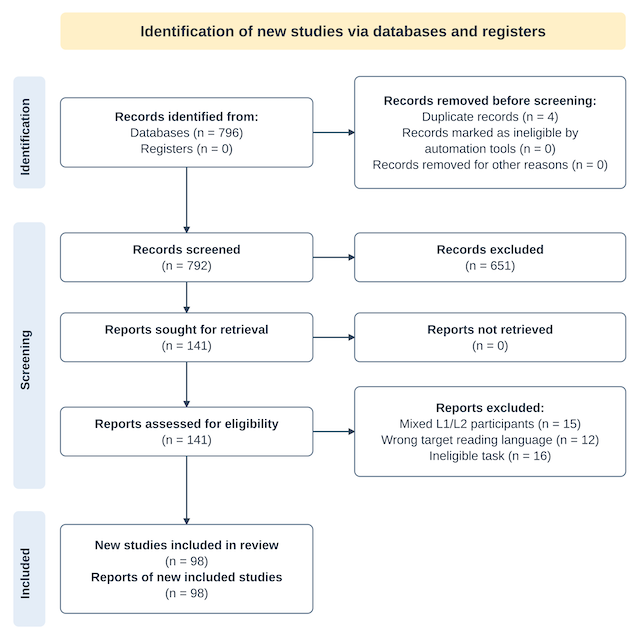
Table 1. Inclusion and exclusion criteria for article selection
|
Inclusion criteria |
Exclusion criteria |
|
Articles published between 2015 and 2025 |
Articles published outside the period 2015 to 2025 |
|
Studies use eye tracking or eye movement measures as a main or supporting method |
Studies did not use eye tracking or eye movement measures |
|
Studies involve EFL or ESL learners |
Studies involve L1 learners |
|
Studies include reading-related tasks such as word reading, sentence reading, passage reading, reading comprehension, vocabulary processing, glossing, cloze tasks, or reading tests |
Studies did not include reading-related tasks |
|
Journal articles |
Conference papers, book chapters, theses, and reports |
|
English language |
Other languages |
3. Results
3.1. Annual publication output
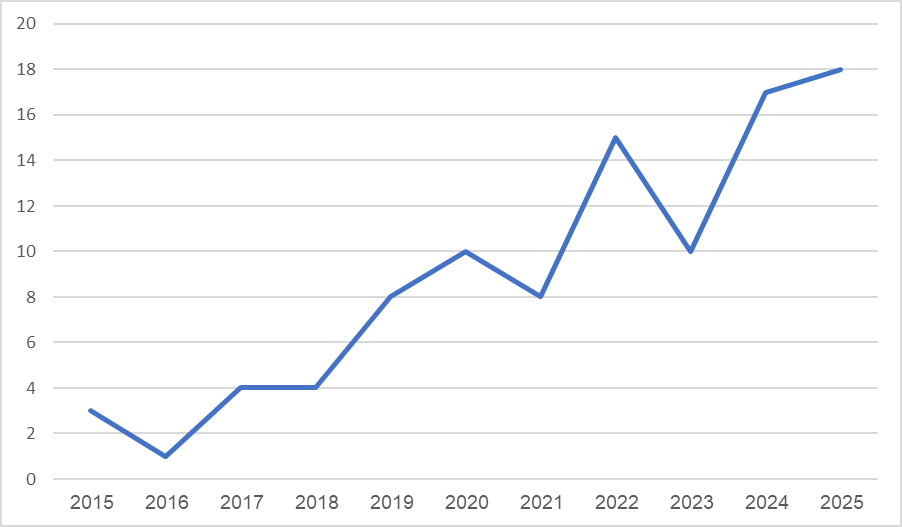
Figure 2 illustrates the annual scientific production of eye-tracking research on EFL/ESL reading between 2015 and 2025. Overall, the trend shows a gradual increase, although it was not entirely stable. In the early years, research output remained limited, with three publications in 2015, one in 2016, four in 2017, and four in 2018. From 2019, the number of studies increased, reaching eight publications in 2019 and 10 in 2020. A small decrease was observed in 2021, but publications increased sharply in 2022 before declining again in 2023. The highest publication levels were recorded in 2024 and 2025, which may indicate increasing indexed publication output on the use of eye-tracking methods in EFL/ESL reading research.
Figure 2. Annual scientific production on eye-tracking in EFL/ESL reading
3.2. Co-authorship among authors, institutions and countries
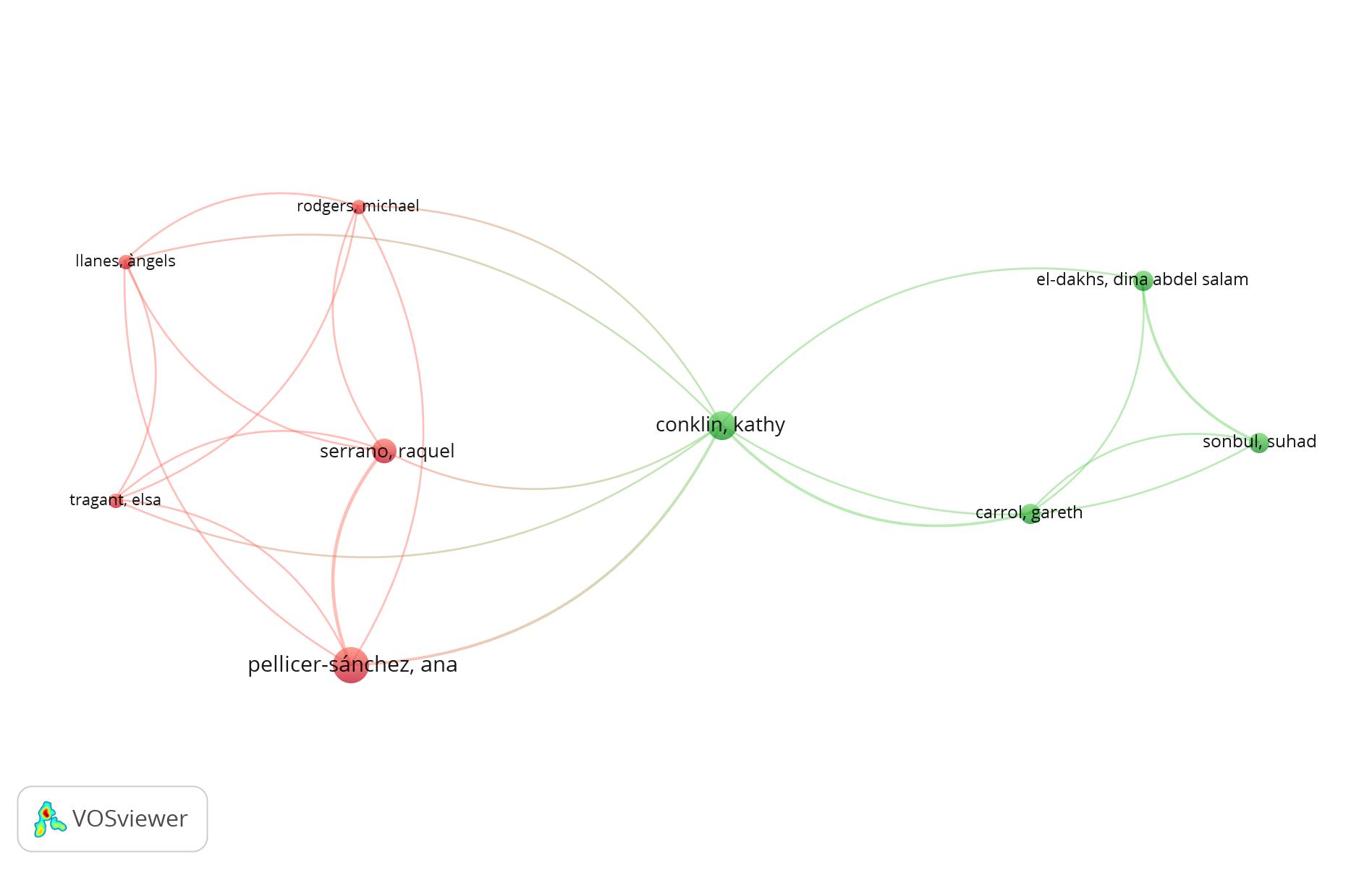
For the author co-authorship analysis, we used full counting. The minimum threshold of one document per author and zero citations was applied. These thresholds were selected because higher thresholds produced a very small network and excluded most authors from the collaboration analysis. To maintain readability, the authors with the highest total link strength were retained in the final map.
Figure 3. Author co-authorship network
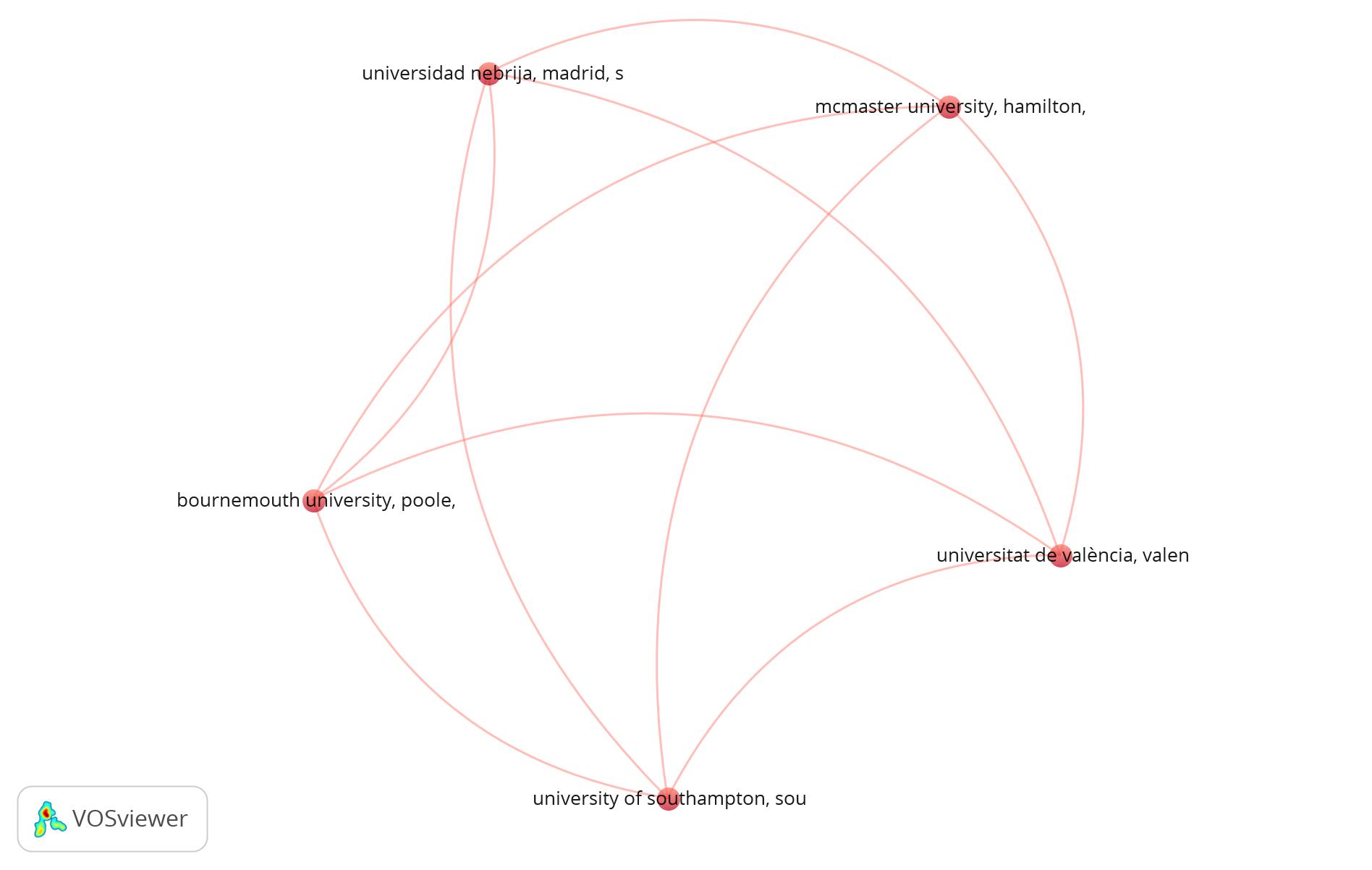
An institutional co-authorship analysis included five organizations, all grouped within one cluster, and contained 10 collaboration links. The map indicates that research cooperation in eye-tracking studies of EFL/ESL reading is concentrated mainly among Universidad Nebrija, McMaster University, Bournemouth University, Universitat de València, and the University of Southampton. This pattern may suggest that collaboration exists, although it remains relatively limited and not broadly distributed across universities in this field.
Figure 4. Institutional co-authorship network
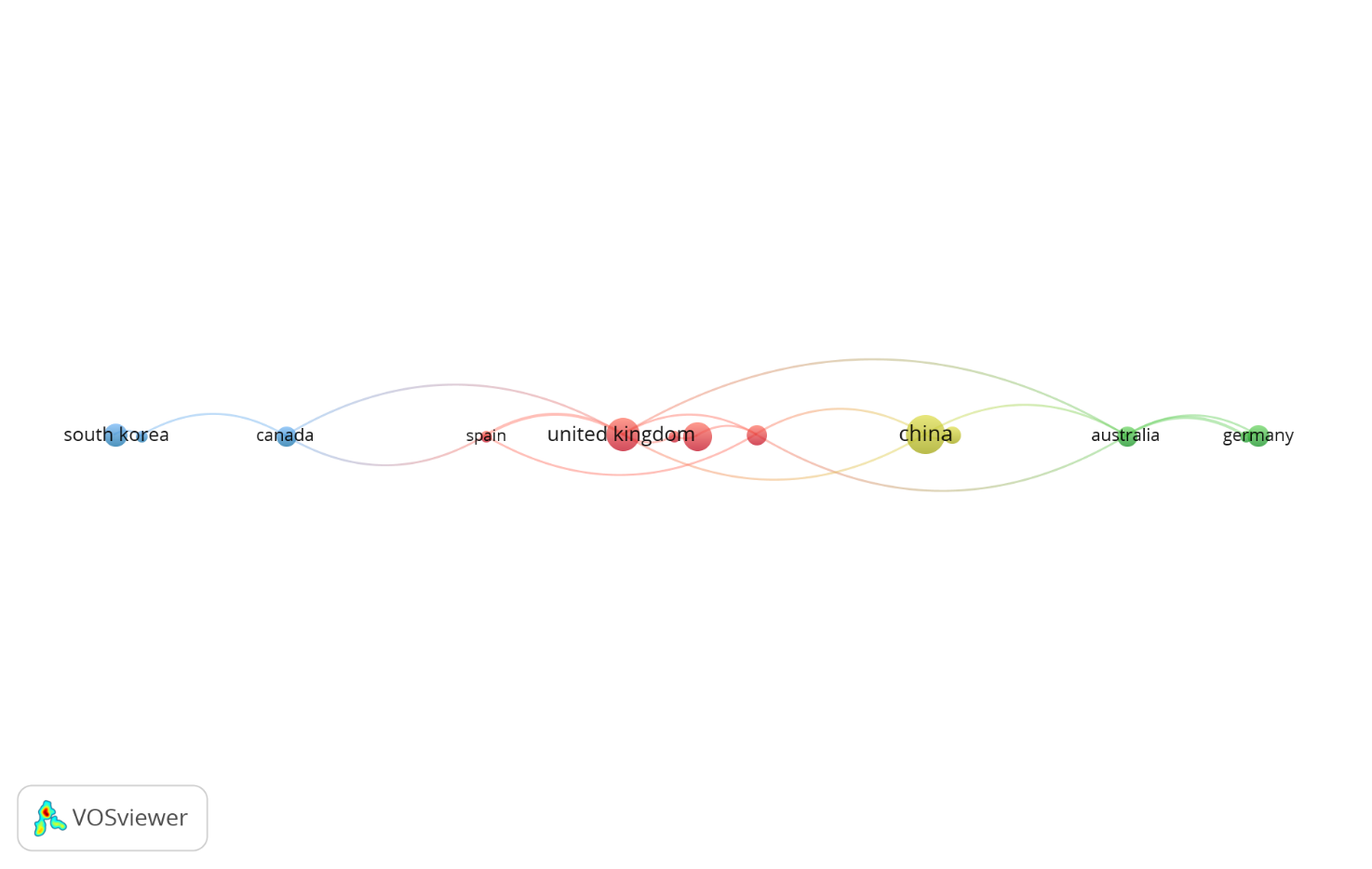
At the country level, the co-authorship network included 13 countries organized into four clusters, with 19 links and a total link strength of 21. The United Kingdom and China appeared as the most central nodes, indicating their prominent roles in international collaboration. Spain, Canada, Australia, Germany, South Korea, and the Netherlands were also represented, although their connections varied. These patterns suggest that collaboration remains unevenly distributed across countries.
Figure 5. Country co-authorship network
3.3. Author-keyword co-occurrence and thematic patterns
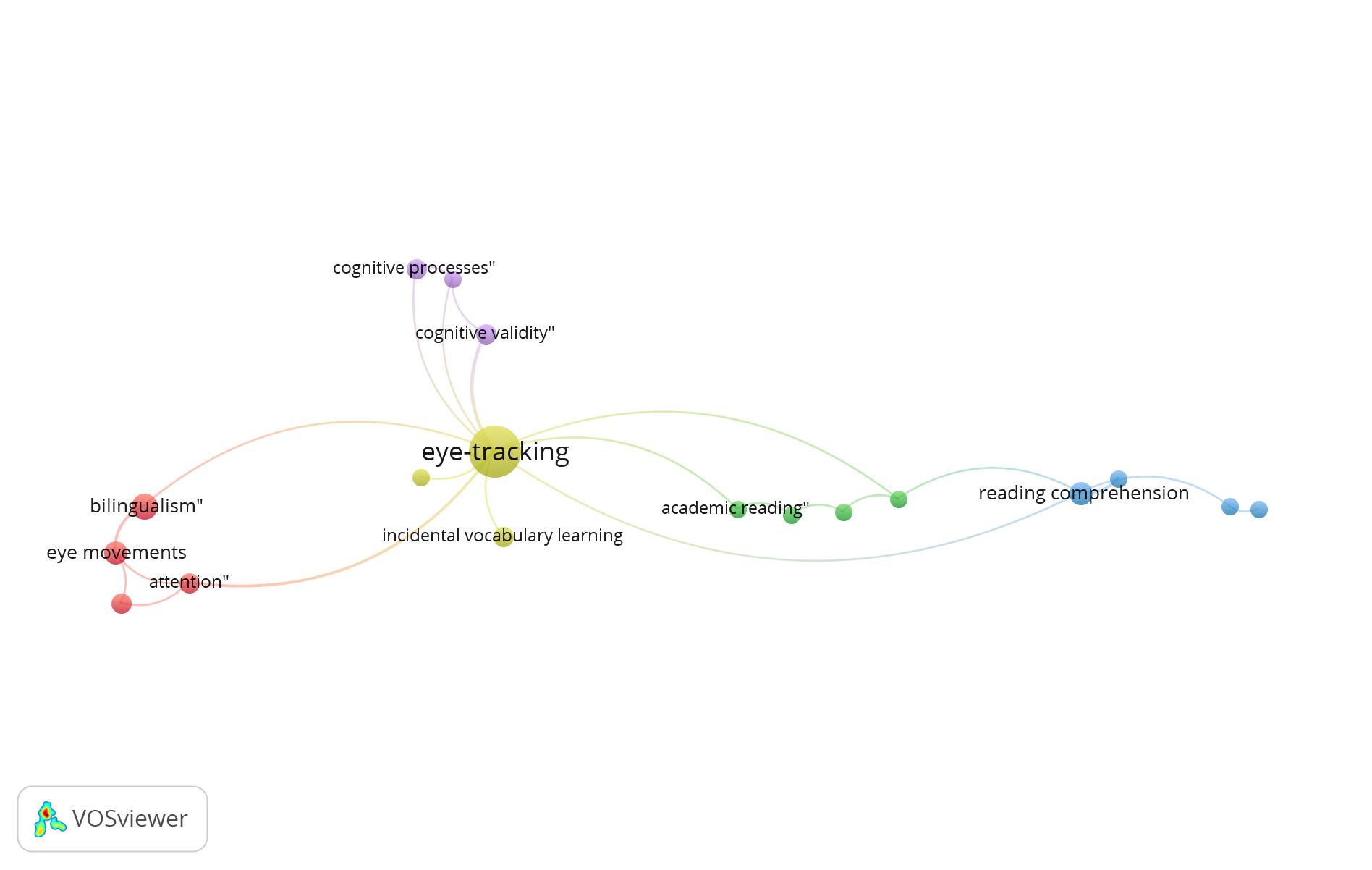
Author-keyword co-occurrence analysis identified 39 keywords in nine clusters, with 95 links and a total link strength of 138. Major themes concerned EFL/ESL reading processes, comprehension and text processing, vocabulary learning, glossing, attention, bilingualism, individual differences, cognitive validity, lexical processing, discourse processing, and natural language processing within applied linguistics research.
Figure 6. Author keyword co-occurrence network
4. Discussion
4. Discussion
The discussion examines what publication trends, co-authorship networks, and author-keyword patterns reveal about the development of eye-tracking research on EFL/ESL reading. It considers how these findings relate to earlier work and what questions they raise for reading instruction, materials design, and assessment. It then examines the traceability of the corpus and the limits of the conclusions that can be drawn from the available records.
4.1. Publication trends, collaboration, and thematic development
The growing attention to eye-tracking in EFL/ESL reading is broadly consistent with earlier reviews and bibliometric studies of L2 eye-tracking (Abdel Latif, 2019; Aryadoust & Ang, 2021; Kartal & Okyar, 2025). These studies documented the use of eye-tracking to investigate second language processing, vocabulary learning, attention, and bilingualism. The present study focuses specifically on reading in EFL/ESL contexts, where learners must allocate attention across lexical and syntactic processing, construct meaning, and respond to the demands of a particular task. This focus connects the study of reading processes to questions that arise in instruction and assessment.
Annual publication output increased after 2019 and reached its highest levels in the most recent years covered by the analysis. Wider access to eye-tracking tools and interest in real-time evidence of reading processes are possible explanations for this trend. In many EFL/ESL settings, reading performance is assessed through comprehension scores, which provide limited information about where learners encounter difficulty or how they work through a text. Eye-movement data can help researchers examine these processes and give teachers and materials designers a basis for adapting reading tasks and support to learners’ needs.
The country-level co-authorship network shows contributions from the United Kingdom, China, Spain, Australia, Germany, Japan, Korea, and the Netherlands, among others. Author and institutional networks appear less integrated, suggesting that much of the research is conducted by small, specialised teams. The equipment and expertise needed to design eye-tracking experiments and interpret the resulting data may contribute to this pattern (Godfroid et al., 2025). The concentration of research also raises questions about how well findings transfer across educational settings. EFL/ESL learners encounter different curricula, levels of exposure to English, classroom practices, and learning resources. Broader collaboration across institutions and countries could help researchers examine how these conditions shape reading processes and the effectiveness of instructional support.
The author-keyword co-occurrence analysis shows that terms such as L2 reading, eye movements, second language reading, and reading comprehension cluster around eye-tracking. Vocabulary learning, glossing, attention, and unfamiliar word processing point to more specific questions about how learners allocate attention and process unfamiliar vocabulary (Kang et al., 2022; Pellicer-Sánchez et al., 2024; Wang & Gui, 2024). Themes such as bilingualism, individual differences, and cognitive validity also reflect interest in variation among learners and in how reading processes are measured. In materials design, studies of glossing and incidental vocabulary learning can help determine where to place digital annotations and what kinds of lexical support learners attend to. In assessment, studies of comprehension and text processing can help identify which features of a text or task contribute to difficulty.
4.2. Traceability and limits of inference
The available Scopus export contains 796 records with unique Scopus EIDs and publication years spanning 2013–2026. The title-and-abstract exclusion log lists 651 distinct titles, all present in the export. Three of these titles each match two records. With title matching that disregards case, normalizes Unicode and collapses whitespace, 142 exported records have no matching entry in the exclusion log. Of these, 89 are labelled by Scopus as English-language articles published in 2015–2025. This metadata check does not reproduce the subject-area filters or establish eligibility. The exclusion log contains 410 entries whose reasons indicate that eligibility could not be confirmed from the screening information. The available files do not establish whether those records were subsequently assessed in full text.
The relationship between this export and the 689 records reported in the selection workflow cannot be established from the available files. The final list of 98 articles and the native VOSviewer network files are also unavailable in the documentation used to reconcile the analysis. The annual counts and network measures describe the original analysis and cannot be independently reproduced from these files. Network structure depends on database coverage, screening decisions, metadata harmonisation and analysis settings. Changes in indexed output do not demonstrate a causal role for specific technologies, and the maps do not measure classroom impact.
Conclusion
The present study addressed its main objective by offering a focused bibliometric view of eye-tracking research on EFL/ESL reading. Its first contribution is clarifying the social, intellectual, and conceptual structures of the field by mapping publication trends, collaboration patterns, and keyword co-occurrence. Its second contribution is that it highlights the growing attention devoted to eye-tracking research on EFL/ESL reading and shows its connection with applied linguistics, second language acquisition, psycholinguistics, reading research, and educational technology.
Although the current study provides a focused bibliometric overview of eye-tracking research on EFL/ESL reading, many limitations should be acknowledged. Most importantly, the analysis was limited to Scopus-indexed publications which may exclude relevant studies. A second limitation concerns keyword consistency. Bibliometric mapping depends strongly on author keywords and database metadata. Although keyword cleaning was conducted, some variations may remain, such as eye tracking and eye-tracking, eye movement and eye movements, or second language reading and L2 reading. These variations can affect keyword co-occurrence networks and their thematic interpretation
Based on the main themes identified through the keyword co-occurrence analysis, especially reading comprehension, vocabulary learning, glossing, attention, and cognitive validity, the findings of the current study offer several valuable implications for EFL/ESL reading research and education. They indicate that eye-tracking may advance reading assessment by focusing on real-time processes rather than relying only on comprehension scores. In many educational settings, comprehension is still judged mainly through correct and incorrect answers. Despite the usefulness of reading scores, they do not reveal how learners reach an answer, or where they experience difficulty during reading.
For teachers, these data may help them to improve their instructional practices. For example, longer fixations or repeated regressions may indicate that learners face difficulties on unfamiliar vocabulary, dense academic sentences, or complex syntactic structures. These patterns may encourage teachers to pre-teach vocabulary, provide clearer support, or use more explicit instruction in reading strategies before or during reading. Similarly, eye-tracking can show how contextual support, such as glosses and annotations guides learners' processing of reading materials. In EFL contexts, this issue is quite relevant because the presence of support does not necessarily mean that learners notice it or benefit from it.
For test designers, eye-tracking can help examine the cognitive demands of reading tasks. Some items may be difficult because of unnecessary lexical complexity, unclear wording, or visual layout, not necessarily because they measure higher-level ability. Measures such as fixation duration, regressions, and total reading time may therefore contribute to the cognitive validity of EFL/ESL reading assessments.
For material designers, eye-tracking may contribute to the development of accessible and visually clear reading materials, especially in digital and multimodal environments. It can guide reading material developers in appropriately placing textual and visual support, including glosses, captions, images, hyperlinks, and annotations.
Future research should extend the scope of investigation by covering diverse EFL/ESL contexts, especially underrepresented educational settings. Stronger international collaboration is also needed, and eye-tracking procedures should be reported more transparently. Another direction is to link eye-movement findings more clearly to classroom instruction, materials design, and reading assessment.